
Autumn Warm is a personal color type where high carotenoids and eumelanin combine to produce a golden-bronze undertone. Earth tones — terracotta, olive, mustard — simultaneously bring out depth and radiance in this type.
What Is Autumn Warm: The Science Behind Personal Color
Personal color is the science-based framework describing how an individual’s skin, eye, and hair characteristics harmonize with specific color palettes. It builds on Johannes Itten’s color temperature theory and the clinical observation systems of Suzanne Caygill (1980) and Carol Jackson (1987).
Autumn Warm is a personal color type with warm, deep, and muted undertone characteristics. Within the four-season system, it belongs to the warm category with greater depth and richness — thriving in earth tones, golden hues, and bronze rather than vivid saturation.
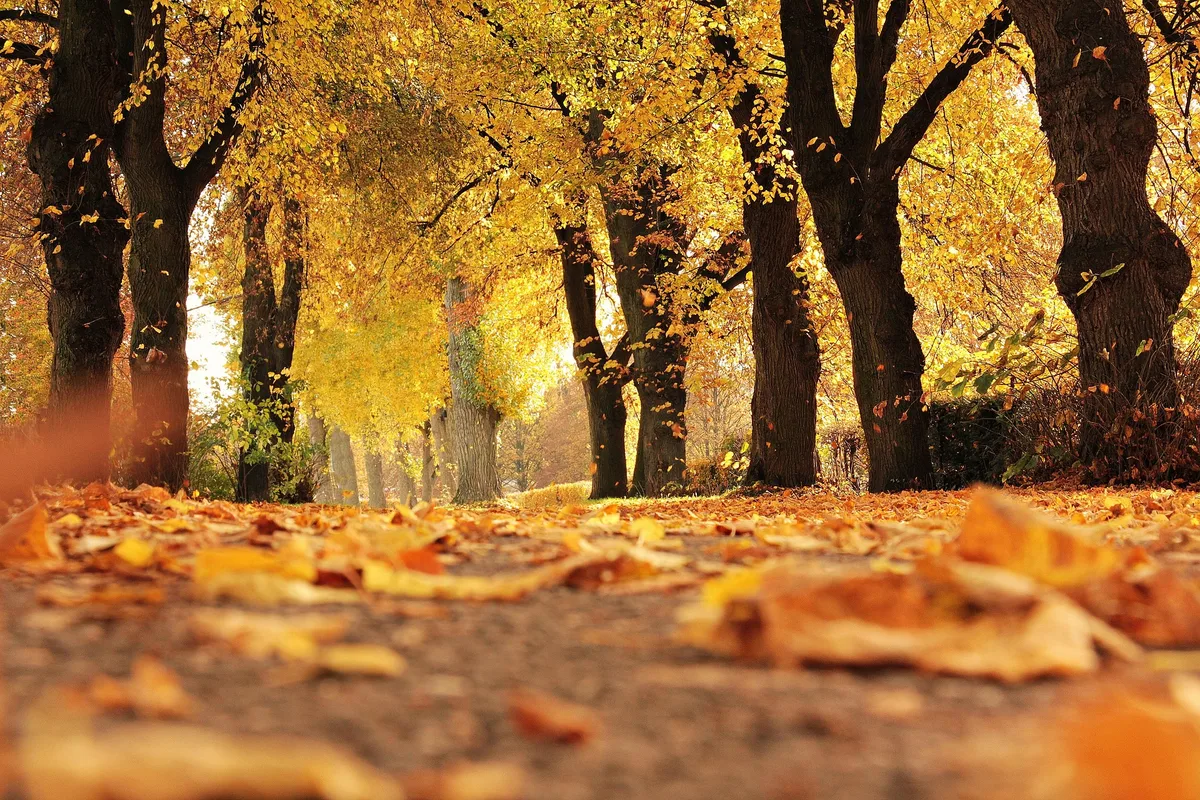
Think of golden autumn leaves, the warm haze of walnut and amber, and the rich scent of harvest earth. That is the essence of Autumn Warm.
Caygill (1980) described the Autumn palette as “the richness and weight of a golden harvest — born from the abundance of the earth.” Carol Jackson (1987) noted that Autumn Warm individuals project simultaneous depth and radiance when wearing nature-inspired earth tone palettes. Kim & Park (2019) noted that warm-type individuals respond most favorably to earth-based palettes consistent with their golden-carotenoid undertone.
Dermatological Characteristics of Autumn Warm
The visual features of Autumn Warm skin arise from the specific composition of the skin pigment system.
Skin Pigment Mechanism
| Pigment Element | Autumn Warm Characteristics | Visual Effect |
|---|---|---|
| Eumelanin | Medium-to-high density — Fitzpatrick III–IV | Warm brown-beige skin base |
| Pheomelanin | Moderate levels | Contributes golden and bronze hues |
| Carotenoids | High concentration | Core driver of golden undertone |
| Oxyhemoglobin | Warm orange-peach reflection | Skin flushes with a golden translucency |
According to Grieve (1991), skin undertone is determined by the relative concentrations of oxyhemoglobin, deoxyhemoglobin, melanin, and carotenoids. Autumn Warm features high carotenoid levels combined with medium-to-high eumelanin density, producing the characteristic golden-bronze undertone.
Skin Profile Summary
- Skin tone range: Cream beige to golden beige to warm tan (Fitzpatrick III–IV)
- Undertone: Warm gold, carotenoid-driven golden and bronze
- Sun response: Tans deeply to gold-bronze without burning easily
- Cheek flush: Warm peach, orange, or bronze-toned blush
- Surface quality: Rich, dimensional feel with a natural glow
Fitzpatrick (1988) places Autumn Warm primarily at types III–IV, where UV exposure produces immediate, deep bronze tanning due to high eumelanin production capacity. Weatherall & Coombs (1992) demonstrated in CIELAB color space analysis that higher carotenoid content correlates with elevated b* (yellow) channel values in skin measurement.
Autumn Warm Self-Diagnosis Checklist
If 7 or more of the following apply to you, Autumn Warm is likely.
Skin & Vascular Check
- Veins on the inside of the wrist appear green or olive-green
- Holding white paper next to the face reveals a golden beige, cream, or warm earth tone
- In natural light, skin shows a golden or bronze cast
- Sun exposure produces a deep gold-bronze tan rather than redness
- Natural cheek flush appears peach or warm orange in tone
Color Harmony Check
- Gold and bronze jewelry look more natural than silver
- Warm beige or golden beige foundations provide the best match
- Wearing terracotta, olive, or mustard makes the complexion look alive and vibrant
- Cool pastels or cool-toned colors make the face look pale or dull
Makeup Response Check
- Bronze and copper eyeshadow looks natural and deepens the eyes
- Terracotta or peach-coral blush looks far more natural than cool pink
- Gold highlighter makes the skin glow more beautifully
- Orange-red or terracotta lip colors suit better than cool berry tones
Autumn Warm Color Palette: Color Science Foundation
Itten (1961) demonstrated in his color harmony theory that analogous color arrangements — colors adjacent on the color wheel — produce the most naturally beautiful results. The Autumn Warm palette spans orange through yellow to warm green, amplifying the skin’s warm energy and creating depth through natural progression.
Eiseman (2006) identified earth tones as the color group that most consistently communicates “warmth, trust, and approachability” in human perception — precisely the impression Autumn Warm individuals project when wearing their ideal palette.
Best Color Palette
Common characteristics of colors that suit Autumn Warm: warm color temperature (orange/yellow-based) + low-to-medium saturation (muted/deep) + medium-to-deep value
Lip · Blush
Eye · Fashion · Hair
Colors to Avoid
- Cool pastels (lavender, mint, baby pink) — Cool base cancels golden warmth, dulls complexion
- Pure Black — Strong contrast destroys Autumn Warm’s dimensional depth
- Cool Gray — Cool achromatic makes skin look pallid
- Cool Pink / Cool Red — Makes complexion look muddy and tired
- Neon / Fluorescent — Excessive saturation conflicts with earth tone depth
- Icy White / Cool White — Blue-based, highlights unwanted yellow cast
Complete Makeup Guide
Base Makeup
Foundation Selection
- Shade: Golden beige, warm oak, or warm ivory base (avoid pink-toned or cool products)
- Finish: Natural satin or soft glow — harmonizes with Autumn Warm’s rich depth
- Coverage: Medium — preserve the skin’s characteristic golden warmth
Concealer & Setting
- Under-eye: Warm-toned concealer with yellow bias (pink-based products conflict with warm undertone)
- Setting powder: Translucent or warm beige powder for a natural finish
- Highlighter: Gold or champagne gold (avoid silver or cool iridescent)
Blush
Autumn Warm’s natural flush calls for terracotta, peach-coral, and bronze:
- Terracotta blush: The Autumn Warm signature — deep, warm cheek color
- Peach-coral blush: Natural, luminous warmth
- Bronze blush: Combined with bronzer for a natural sun-kissed effect
Blush to avoid: Cool pink, lilac, mauve (cool-based blush)
Eye Makeup
Eyeshadow
| Look | Recommended Colors | Effect |
|---|---|---|
| Daily | Camel, warm beige, soft bronze | Natural, depth-enhancing eye |
| Statement | Copper, terracotta, burnt orange | Warm, intense eye look |
| Smoky | Dark brown, deep bronze, chocolate | Luxurious warm smoky |
Eyeshadow to avoid: Lavender, mauve, cool gray, silver (cool-based)
Liner & Mascara
- Liner: Dark brown, chocolate, deep burnt sienna (warm tones preferred over black)
- Mascara: Black or dark brown
Lip Makeup
| Mood | Recommended Colors | Colors to Avoid |
|---|---|---|
| Everyday | Terracotta red, warm nude brown | Cool pink, coral pink |
| Statement | Burnt orange, warm burgundy | Berry pink, raspberry |
| Natural | Mustard nude, warm peach | Cool nude, pink beige |
Fashion & Styling Guide
Clothing Color Strategy
Autumn Warm looks most radiant in muted, deep warm colors and earth tones.
Seasonal Palette Recommendations
| Season | Recommended Colors | Styling Approach |
|---|---|---|
| Spring | Terracotta, peach, warm coral | Earth tone layering |
| Summer | Olive, khaki, warm white | Natural earth tone combinations |
| Autumn | Mustard, burnt orange, camel | Rich, deep seasonal colors |
| Winter | Chocolate brown, deep burgundy, dark gold | Warm-tone layering for depth |
Fashion Colors to Avoid
- All-cool-pastel outfits (dulls complexion)
- Pure black + white contrast looks (loses Autumn Warm’s depth)
- Icy, steel, or neon tones (color temperature conflict)
Fabric Choices
- Recommended: Corduroy, suede, wool knit, leather, linen — warm, textured materials
- Avoid: Overly shiny synthetics, cold-feeling polyester fabrics
Hair Color Guide
Autumn Warm is most flattered by warm brown, auburn, and copper tones.
| Hair Color | Recommendation | Why |
|---|---|---|
| Warm dark brown | ✅ Top choice | Warm tones harmonize perfectly with golden undertone |
| Auburn / coppery brown | ✅ Top choice | Red-brown completes the Autumn palette |
| Caramel brown | ✅ Recommended | Warm beige-brown brightens the complexion |
| Golden brown | ✅ Recommended | Natural harmony with carotenoid undertone |
| Natural black | ⚠️ Neutral | Strong contrast; may reduce warm richness |
| Ash brown | ❌ Not recommended | Cool gray cast cancels golden warmth |
| Platinum blonde | ❌ Not recommended | Cold silver tone creates a completely different look |
| Cool dark brown | ❌ Not recommended | Cool base makes yellow cast appear more pronounced |
Skincare: Strategies for Autumn Warm Skin
Autumn Warm skin care focuses on preserving the golden undertone, managing pigmentation, and maintaining rich skin texture.
Approach by Key Concern
1. Preserving the Golden Undertone
- Stabilized Vitamin C derivatives: Evens tone to enhance golden clarity
- Caution: High-concentration brightening agents may neutralize carotenoid-based warmth
2. Pigmentation Management (Fitzpatrick III–IV)
- Niacinamide 5%: Inhibits melanosome transfer, prevents dark spots
- Retinol / retinal: Accelerates pigment turnover, refines skin texture
- SPF 50+ daily is essential: Chung (2014) emphasizes the unique UV pigmentation response in Asian skin — even high melanin density does not fully prevent uneven pigmentation
3. Maintaining Rich Skin Texture
- Ceramide complex: Strengthens barrier for healthy skin texture — per Meckfessel & Brandt (2014)
- Squalane / jojoba oil: Enhances Autumn Warm’s natural glow
- Hyaluronic acid: Maintains moisture for supple, radiant skin
Autumn Warm Subtypes: Deep Autumn vs Soft Autumn
Within Autumn Warm, two distinct directions exist:
| Deep Autumn | Soft Autumn | |
|---|---|---|
| Skin quality | Deeper, more golden-tan complexion | Lighter cream-beige, softer feel |
| Best colors | Chocolate, deep burgundy, burnt orange | Camel, soft terracotta, mustard |
| Color intensity | Deep, rich saturation | Muted, gentle tones |
| Makeup style | Bold earth tone smoky | Soft earth tone natural |
Autumn Warm vs Spring Warm: Critical Differences
Both are warm types, but saturation and value separate them decisively:
| Autumn Warm | Spring Warm | |
|---|---|---|
| Saturation | Low-to-medium (muted, deep) | High (vivid, clear) |
| Value | Medium-to-dark | Light to very light |
| Best colors | Terracotta, olive, mustard | Coral pink, peach, lime yellow |
| Avoid | Vivid pastels, cool tones | Deep muted tones, dark earth tones |
| Skin quality | Deep, rich golden warmth | Clear, luminous peachy warmth |
Frequently Asked Questions
Q. Can Autumn Warm wear black? All-black outfits can overwhelm Autumn Warm’s depth and warmth. Dark brown, chocolate, or deep burgundy — dark colors with a warm undertone — are more harmonious. If you wear black, pair it with terracotta or mustard accents.
Q. How do I tell Autumn Warm and Spring Warm apart? Both have green wrist veins, making them easy to confuse. The key difference is color depth: if bright, vivid coral and peach suit you best, it’s Spring Warm. If muted, deep terracotta and mustard suit you better, it’s Autumn Warm.
Q. Can Autumn Warm wear any pink? Avoid cool pinks and baby pinks, but peach pink, apricot pink, and warm coral pink work well for Autumn Warm. Any pink with a warm color temperature is fine.
Q. Is gold jewelry always the right choice for Autumn Warm? Yellow gold and rose gold are ideal. White gold and platinum have a cool cast that is less harmonious with warm undertones.
Key Takeaways
- Autumn Warm is defined by dominant carotenoids + medium-to-high eumelanin density — producing a deep, rich golden-bronze undertone
- Signature colors: Terracotta · olive · mustard · camel · burnt orange — all muted, warm earth tones
- Makeup essentials: Golden beige base + terracotta/bronze blush + bronze/copper eye + terracotta-burnt orange lip
- Colors to avoid: Cool pastels · lavender · mint · cool pink · pure black
- Hair: Warm dark brown · auburn · caramel top picks / ash brown · platinum not recommended
- Skincare: Niacinamide 5% + ceramides + retinol + SPF 50+ to preserve golden undertone and rich skin texture
More Guides
- Personal Color Self-Diagnosis — Find your season with draping, veins, and eye checks
- Spring Warm vs. Autumn Warm — Key differences between the two warm seasons
- Foundation Shade Matching Guide — Finding the right undertone shade for Autumn Warm
- Fashion Color Guide by Season — Clothing colors, fabrics, and patterns for Autumn Warm
- 12-Season Deep Dive — Autumn Warm subtypes: Soft, True, Deep