
Winter Cool is a personal color type defined by strong oxyhemoglobin reflection and low carotenoids, creating a cool, clear, vivid undertone. Jewel tones, pure black, and icy colors express this type’s strong value contrast and transparency at their most intense.
What Is Winter Cool: The Science Behind Personal Color
Personal color is the science-based framework describing how an individual’s skin, eye, and hair characteristics harmonize with specific color palettes. It builds on Johannes Itten’s color temperature theory and the clinical observation systems of Suzanne Caygill (1980) and Carol Jackson (1987).
Winter Cool is a personal color type with cool, clear, and intense undertone characteristics. Within the four-season system, it belongs to the cool category with the strongest contrast and most vivid clarity — thriving in high-saturation jewel tones, pure black and white, and icy colors rather than muted or earthy palettes.
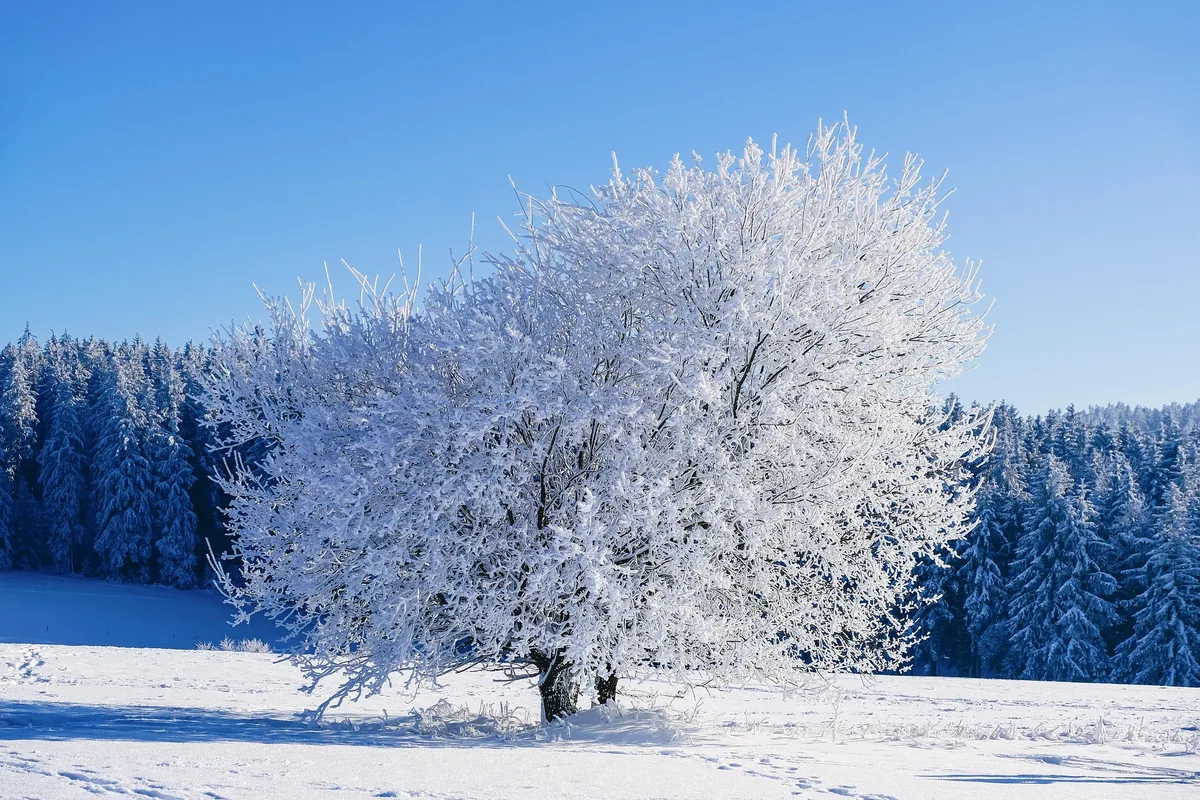
Think of the stark contrast of a snow-covered winter landscape, the cold light reflecting off ice, the transparent brilliance of a crystal — that is the essence of Winter Cool.
Bernice Kettlewell (1987) defined the Winter type as “the season of nature’s greatest contrast — the brilliant existence that shines between the extremes of white snow and black trees.” Kim & Park (2019) observed that cool-type individuals show the most pronounced color response — clearest under vivid cool palettes and most dull under warm earth tones — underscoring the importance of undertone alignment.
Dermatological Characteristics of Winter Cool
The visual features of Winter Cool skin arise from the specific composition of the skin pigment system.
Skin Pigment Mechanism
| Pigment Element | Winter Cool Characteristics | Visual Effect |
|---|---|---|
| Eumelanin | Wide spectrum — Fitzpatrick I–VI | Undertone and contrast define type, not skin depth |
| Pheomelanin | Low | No yellow warmth — pure cool coloring |
| Carotenoids | Low | No yellow cast → cool, transparent undertone |
| Oxyhemoglobin | Strong blue-violet reflection | Cool tones penetrate strongly through the skin surface |
Grieve (1991) confirmed through colorimetric spectral analysis that the cool undertone category is defined by the combination of high oxyhemoglobin reflectance and low carotenoid concentration. Winter Cool is the type where this cool undertone is expressed most strongly and vividly.
Skin Profile Summary
- Skin tone range: Full Fitzpatrick I–VI spectrum — from bright porcelain to deep, rich dark cool complexion
- Undertone: Strong cool pink, blue, or lavender cast — cold and transparent
- Sun response: Easily flushes red (light skin types) or tans to a deep cool tone (darker types)
- Skin-hair-eye contrast: The strongest contrast among all four seasons
- Surface quality: Cool and clear. Matte or porcelain-like texture
Weatherall & Coombs (1992) demonstrated in CIELAB color space analysis that Winter Cool skin shows low a* (red) and b* (yellow) channel values with high L* (lightness) contrast — providing the scientific basis for the characteristic cool, clear coloring.
Winter Cool Self-Diagnosis Checklist
If 7 or more of the following apply to you, Winter Cool is likely.
Skin & Vascular Check
- Veins on the inside of the wrist appear strongly blue or violet
- Holding white paper next to the face makes the skin look cool and clear
- In natural light, skin shows a blue, blue-pink, or lavender cast
- Contrast between skin, hair, and eye color is very pronounced
- Sun exposure causes redness (light types) rather than a warm golden tan
Color Harmony Check
- Silver and platinum jewelry look overwhelmingly better than gold
- Pure white (not ivory or cream) makes the complexion look most radiant
- Icy pink and icy blue tones make the skin look brighter and clearer
- Pure black-and-white contrast outfits create a striking, sophisticated impression
Makeup Response Check
- Black or dark gray eyeliner and smoky eye looks suit best
- Crimson, berry, and plum lip colors make the complexion come alive
- Silver or icy pink highlighter makes the skin glow most beautifully
- Earth tones, khaki, or mustard make the face look dull or muddy
Winter Cool Color Palette: Color Science Foundation
Itten’s (1961) Light-Dark Contrast theory establishes that Winter Cool is the season type with the naturally strongest value contrast. These individuals look most striking and harmonious when wearing palettes that match this contrast intensity — jewel tones, black and white, and vivid cool colors.
Best Color Palette
Common characteristics of colors that suit Winter Cool: cool color temperature (blue/pink-based) + high saturation (clear/jewel) + strong value contrast
Lip · Blush
Eye · Fashion · Hair
Colors to Avoid
- Earth tones (khaki, mustard, terracotta) — Warm base cancels cool undertone, dulls complexion
- Orange tones in general — Warm color temperature makes skin look muddy
- Muted, faded, low-saturation pastels — Low saturation eliminates Winter Cool’s clarity
- Ivory / Cream (warm white) — Yellow undertone clashes with cool skin
- Gold / Bronze tones — Warm base accentuates yellow cast
- Peach / Apricot — Warm orange-pink cancels cool undertone
Complete Makeup Guide
Base Makeup
Foundation Selection
- Shade: Cool pink, neutral-cool, or rose beige base (avoid warm, yellow-toned products)
- Finish: Matte or semi-matte — harmonizes with Winter Cool’s naturally cool, clear skin texture
- Coverage: Medium to full — emphasize the uniform, clear skin quality
Concealer & Setting
- Under-eye: Cool pink or neutral concealer (avoid yellow-toned products)
- Setting powder: Translucent or lavender-pink powder for a cool finish
- Highlighter: Silver, icy pink, or pearl white (avoid gold)
Blush
Winter Cool’s natural flush calls for cool rose, raspberry, and berry:
- Cool rose blush: Natural, precise coolness
- Raspberry pink blush: Intense cool coloring
- Berry blush: Jewel-tone statement cheek
Blush to avoid: Coral, peach, orange, terracotta (warm-based)
Eye Makeup
Eyeshadow
| Look | Recommended Colors | Effect |
|---|---|---|
| Daily | Lavender, icy pink, cool gray | Clear, sophisticated eye |
| Statement | Silver, icy blue, purple | Cold and intense eye look |
| Smoky | Black, dark gray, deep plum | The Winter Cool signature smoky |
Eyeshadow to avoid: Bronze, copper, gold, terracotta (warm-based)
Liner & Mascara
- Liner: Black or dark gray (the boldest liner looks suit Winter Cool best)
- Mascara: Black
Lip Makeup
| Mood | Recommended Colors | Colors to Avoid |
|---|---|---|
| Everyday | Icy pink, cool rose | Orange-red, peach |
| Statement | Crimson red, berry red, plum | Brick red, brown-red |
| Natural | Cool nude, mauve pink | Warm nude, peach beige |
Fashion & Styling Guide
Clothing Color Strategy
Winter Cool looks most striking in vivid jewel tones, strong black-and-white contrast, and icy cool colors.
Seasonal Palette Recommendations
| Season | Recommended Colors | Styling Approach |
|---|---|---|
| Spring | Icy pink, pure white, lavender | Cool, crisp pastels with sharp edges |
| Summer | Royal blue, cool white, icy blue | Vivid cool colors for maximum impact |
| Autumn | Deep plum, navy, cool burgundy | Jewel tone layering |
| Winter | Black, pure white, crimson | Maximum black-and-white contrast |
Fashion Colors to Avoid
- All-earth-tone outfits (dulls complexion immediately)
- Ivory, cream, off-white (yellow undertone clashes with cool skin)
- Peach, coral, orange tones (color temperature conflict)
- All-muted pastel looks (loses Winter Cool’s signature sharpness)
Fabric Choices
- Recommended: Satin, silk, leather, crystal embellishments, smooth knit — cold-feel, high-sheen materials that enhance Winter Cool’s clarity
- Avoid: Heavy brushed fabrics, warm-textured wool herringbone (softens Winter Cool’s characteristic sharpness)
Hair Color Guide
Winter Cool is most flattered by cool black, cool dark brown, and platinum tones.
| Hair Color | Recommendation | Why |
|---|---|---|
| Blue-black / natural black | ✅ Top choice | Strong contrast completes Winter Cool identity |
| Cool dark brown | ✅ Top choice | Cold-toned dark brown creates sophisticated harmony |
| Platinum ash blonde | ✅ Recommended | Cool silver maximizes the icy impression |
| Ash brown | ✅ Recommended | Cool gray cast reflects Winter Cool undertone |
| Natural dark brown | ⚠️ Neutral | Neutral tone; slightly reduces cool impact |
| Golden brown | ❌ Not recommended | Warm golden hue cancels cool undertone |
| Caramel / honey blonde | ❌ Not recommended | Warm yellow cast conflicts with cool skin |
| Copper red / auburn | ❌ Not recommended | Warm base — destroys vivid cool impression |
Skincare: Strategies for Winter Cool Skin
Winter Cool skin care focuses on maintaining cool undertone transparency, managing redness and sensitivity, and preserving clear, smooth skin texture.
Approach by Key Concern
1. Maintaining Cool Undertone Transparency
- Niacinamide 5%: Inhibits melanosome transfer + strengthens barrier — maintains skin clarity
- Alpha-arbutin: Gradual brightening to preserve vivid cool coloring
- Caution: Products with high warm-pigment ingredients can shift cool coloring toward warmth
2. Redness & Sensitivity Management
- Ceramide complex: Barrier strengthening for irritation protection — per Meckfessel & Brandt (2014)
- Panthenol / Madecassoside: Soothing and regenerating — reduces tendency to flush
- SPF 50+ daily is essential: Chung (2014) highlights Asian skin’s unique UV pigmentation response — lighter Winter Cool skin types (Fitzpatrick I–II) are especially UV-vulnerable
3. Maintaining Clear, Smooth Skin Texture
- Hyaluronic acid / Polyglutamic acid: Moisture for smooth, clear skin texture
- AHA (glycolic acid): Light exfoliation → enhances skin transparency and clarity
- Finish preference: Matte to semi-matte (excessive glow or oil reduces Winter Cool’s characteristic sharpness)
Winter Cool Subtypes: True Winter, Bright Winter & Dark Winter
Within Winter Cool, three distinct directions exist:
| True Winter | Bright Winter | Dark Winter | |
|---|---|---|---|
| Skin quality | Medium brightness, balanced cool | Very bright, vivid cool coloring | Deep, dark cool complexion |
| Best colors | Crimson, navy, pure white | Icy pink, bright blue, lime | Deep plum, dark burgundy, black |
| Color intensity | Clear, balanced cool tones | Brightest, most vivid colors | Deepest, most intense colors |
| Makeup style | Balanced cool smoky | Vivid statement-color makeup | Deep, intense dark smoky |
Winter Cool vs Summer Cool: Critical Differences
Both are cool types, but saturation and value separate them decisively:
| Winter Cool | Summer Cool | |
|---|---|---|
| Saturation | High (vivid, clear) | Low (muted, soft) |
| Value | Dark or very light (extreme contrast) | Medium to light (soft gradation) |
| Best colors | Crimson, navy, black | Lavender, mauve, powder blue |
| Avoid | Muted pastels, earth tones | Vivid saturation, black |
| Skin impression | Striking, high-contrast | Soft, elegant |
Frequently Asked Questions
Q. Can Winter Cool apply to darker skin tones? Absolutely. Winter Cool spans the full Fitzpatrick I–VI spectrum. The classification is based on cool, clear undertone and strong contrast, not skin depth. Darker cool skin types often fall into the Dark Winter subtype, where deep plum, dark burgundy, and black are especially flattering.
Q. How do I tell Winter Cool and Summer Cool apart? The fastest test is wearing a vivid, saturated color. If strong crimson red or navy suits you brilliantly, it’s Winter Cool. If muted lavender or mauve feels more natural and flattering, it’s Summer Cool. Winter Cool gets better as saturation increases.
Q. Can Winter Cool wear black every day? Winter Cool is the only season type that wears black perfectly. The strong contrast between skin, hair, and eyes intensifies with black, creating an even more striking and sophisticated impression.
Q. I’m Winter Cool but my skin isn’t light. Is the diagnosis right? This is one of the most common Winter Cool misconceptions. Winter Cool includes not only bright skin types (True Winter, Bright Winter) but also deep, dark cool skin (Dark Winter). Cool undertone and strong contrast are the criteria — not brightness.
Key Takeaways
- Winter Cool is defined by strong oxyhemoglobin reflection + low carotenoids + strong value contrast — producing a cool, clear, intense undertone across the full skin tone spectrum
- Signature colors: Icy pink · crimson · navy · plum · black — all high-saturation cool jewel tones
- Makeup essentials: Cool pink matte base + raspberry/berry blush + silver/black eye + crimson-plum lip
- Colors to avoid: Earth tones · orange · peach · ivory · muted pastels
- Hair: Blue-black · cool dark brown · platinum top picks / golden brown · caramel · auburn not recommended
- Skincare: Niacinamide 5% + ceramides + AHA + SPF 50+ to preserve cool transparency and clear skin texture
More Guides
- Personal Color Self-Diagnosis — Find your season with draping, veins, and eye checks
- Summer Cool vs. Winter Cool — Key differences between the two cool seasons
- Foundation Shade Matching Guide — Finding the right undertone shade for Winter Cool
- Fashion Color Guide by Season — Clothing colors, fabrics, and patterns for Winter Cool
- 12-Season Deep Dive — Winter Cool subtypes: Clear, True, Deep